Swedish vs Deep Tissue Massage - How to Choose the Right One
Most people pick a massage type by guessing. Swedish sounds
relaxing. Deep Tissue sounds serious. So they choose based
on the name and hope for the best. This guide gives you a
more useful way to decide — based on what your body actually
needs right now.
The one-line answer
If you want to relax and decompress - book Swedish. If you have a specific pain, knot or area of chronic tension - book Deep Tissue.
That covers about 80% of decisions. The rest of this guide is for the other 20%.
What Swedish massage actually does
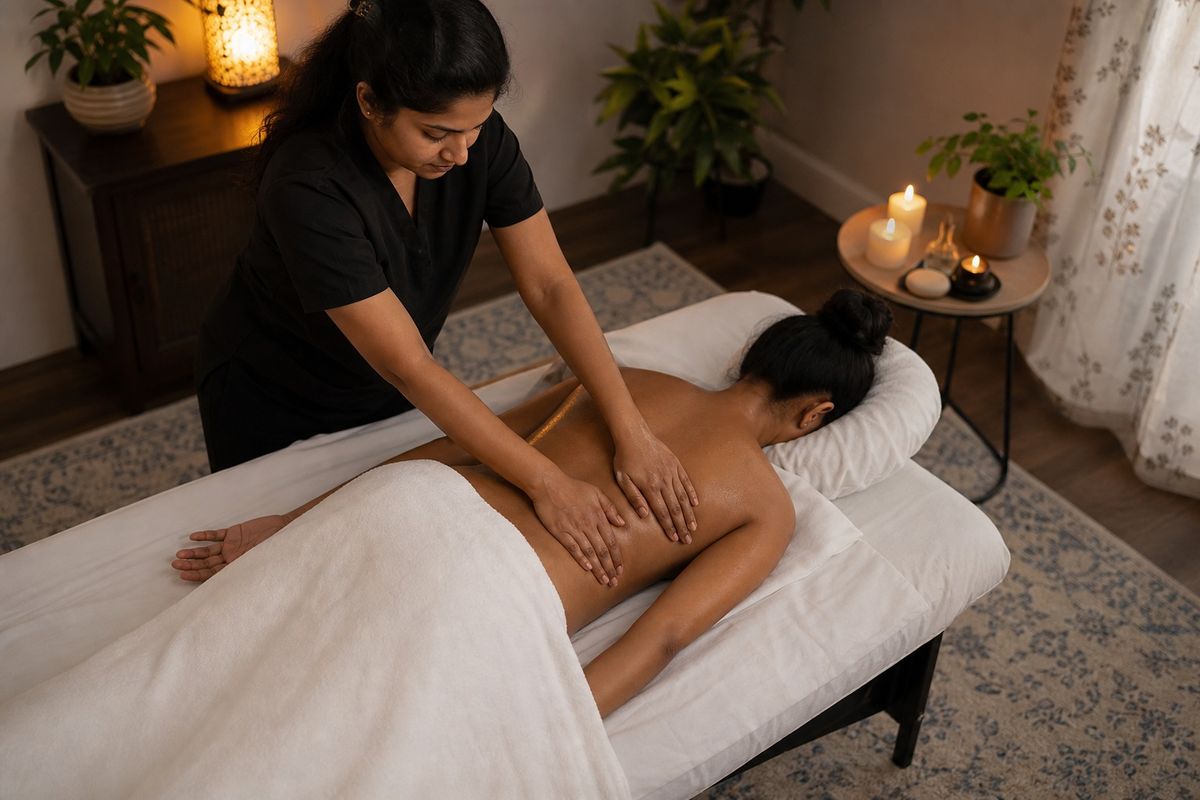
Swedish massage works on the surface layers of muscle using five techniques - effleurage (long gliding strokes), petrissage (kneading), tapotement (rhythmic tapping),friction (circular pressure) and vibration. The pressure is light to medium. The pace is slow and deliberate.
The nervous system responds to this kind of touch by shifting from sympathetic mode (fight or flight) to parasympathetic mode (rest and digest). Cortisol - the body's primary stress hormone - drops measurably after a 60-minute Swedish session. According to a 2010 study published in the Journal of Alternative and Complementary Medicine, a single Swedish massage session produced significant decreases in cortisol and increases in oxytocin compared to a light touch control group.
In plain terms - Swedish massage works by slowing your body down. If stress, poor sleep or general tension is the problem, this is the right tool.
Ready for your Kneadly?
Verified therapists, transparent pricing, at your doorstep within 90 minutes.
Book on WhatsApp